




Computer-system operation
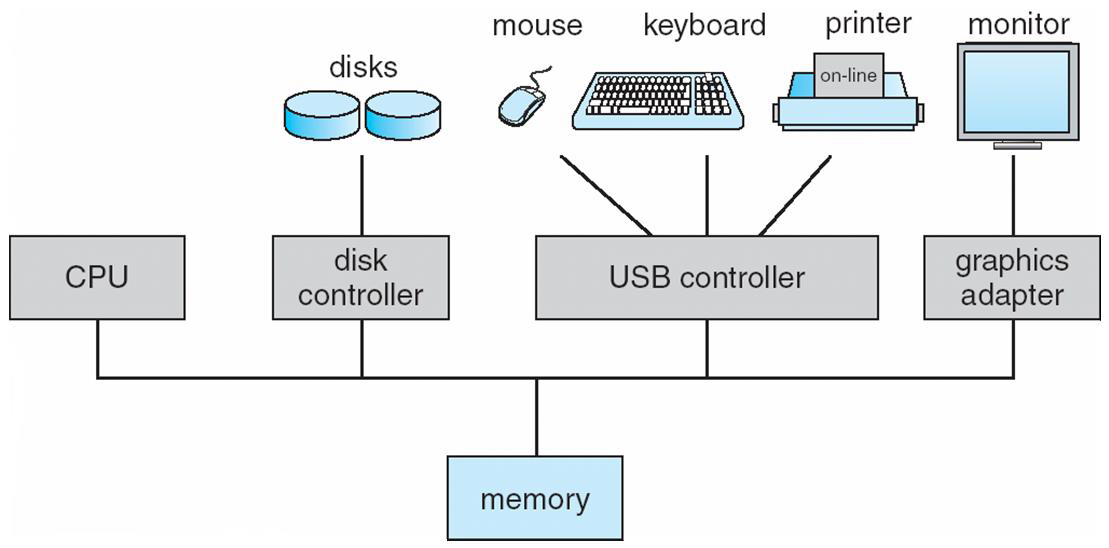
A computer system is a combination of hardware, software, and operating mechanisms that work together to execute tasks efficiently. Understanding how a computer system operates is essential for students, IT professionals, and researchers, as it explains the interaction between different components such as the CPU, memory, input/output devices, and operating system.
What is Computer-System Operation?
Computer-System Operation refers to the way different components of a computer collaborate to perform instructions. It involves:
-
Fetching instructions from memory.
-
Decoding them into understandable signals.
-
Executing commands using the CPU and other hardware.
-
Storing or outputting results for user interaction.
This continuous cycle is called the instruction execution cycle or fetch-decode-execute cycle.
Key Components in Computer-System Operation
-
Central Processing Unit (CPU):
-
Acts as the brain of the system.
-
Performs arithmetic, logic, control, and data processing operations.
-
-
Memory (RAM & Storage):
-
Stores instructions, data, and results temporarily (RAM) or permanently (hard disk/SSD).
-
-
Input Devices:
-
Keyboards, mice, scanners, and sensors that provide data to the system.
-
-
Output Devices:
-
Monitors, printers, and speakers that deliver processed information to users.
-
-
Operating System (OS):
-
Manages hardware and software resources.
-
Provides system services, user interface, and security.
-
-
I/O Subsystem:
-
Facilitates data transfer between CPU, memory, and peripheral devices.
-
How Computer-System Operation Works
-
Program Loading: The OS loads a program into memory.
-
Instruction Fetching: The CPU fetches instructions one by one from memory.
-
Decoding & Execution: Each instruction is decoded and executed (arithmetic, logic, or data transfer).
-
Result Handling: Processed data is stored or sent to output devices.
-
System Coordination: The OS ensures multitasking, resource allocation, and error handling.
Features of Computer-System Operation
-
Multitasking: Running multiple processes simultaneously.
-
Synchronization: Ensuring tasks run in an orderly manner.
-
Resource Management: Efficient use of CPU, memory, and I/O devices.
-
Security & Protection: Preventing unauthorized access and data loss.
-
Reliability: Continuous operation with minimal downtime.
Applications of Computer-System Operation
-
Business & Finance: Automating transactions, analytics, and data storage.
-
Education & Research: Simulations, data analysis, and e-learning platforms.
-
Healthcare: Patient record systems, diagnostics, and medical imaging.
-
Engineering & Design: CAD software, simulations, and process automation.
-
Daily Life: Smartphones, smart homes, entertainment, and online communication.
The operation of a computer system is the foundation of modern computing. By integrating hardware, software, and the operating system, it ensures smooth execution of tasks, efficient resource utilization, and reliable user interaction. A clear understanding of computer-system operation not only enhances academic learning but also builds a strong foundation for careers in computer science, IT, and engineering.