

Should Junk Food Be Banned in Schools?
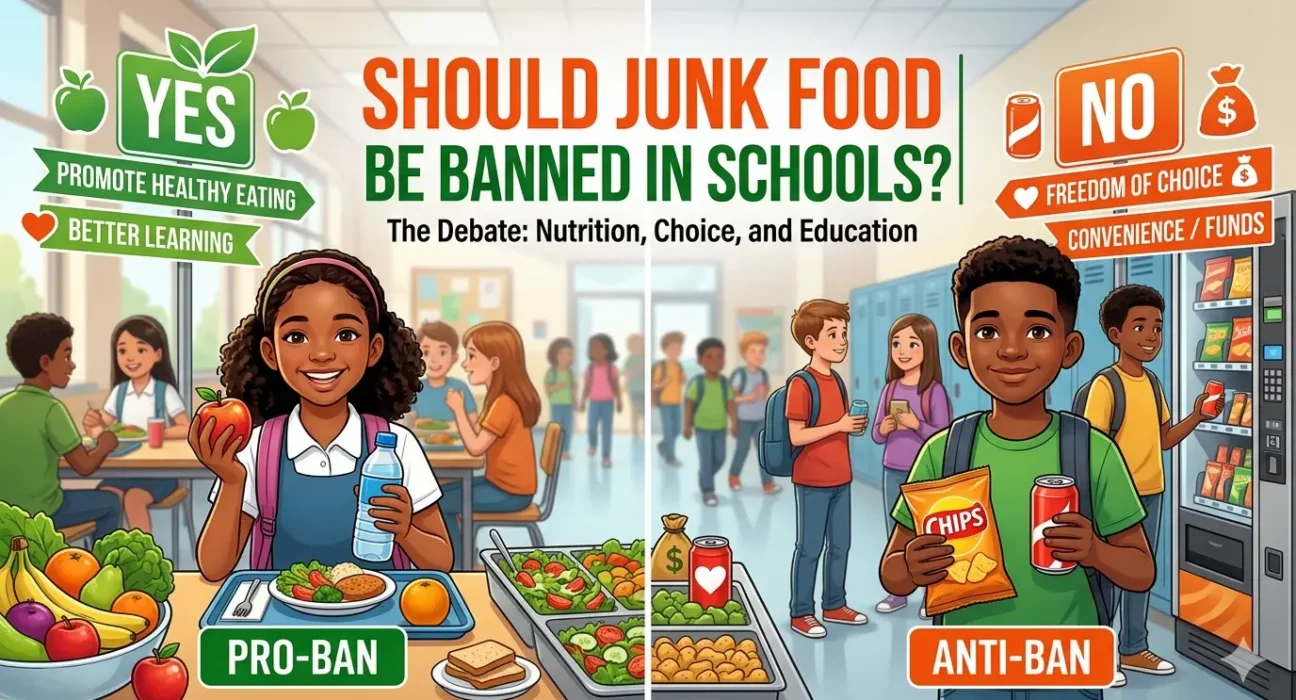
Junk food has become a common sight in school canteens today. Chips, soft drinks, burgers, and candies often replace simple, home-style meals. Many students prefer these tasty snacks over healthier options. This growing trend has sparked an important debate. Should junk food be banned in schools altogether?
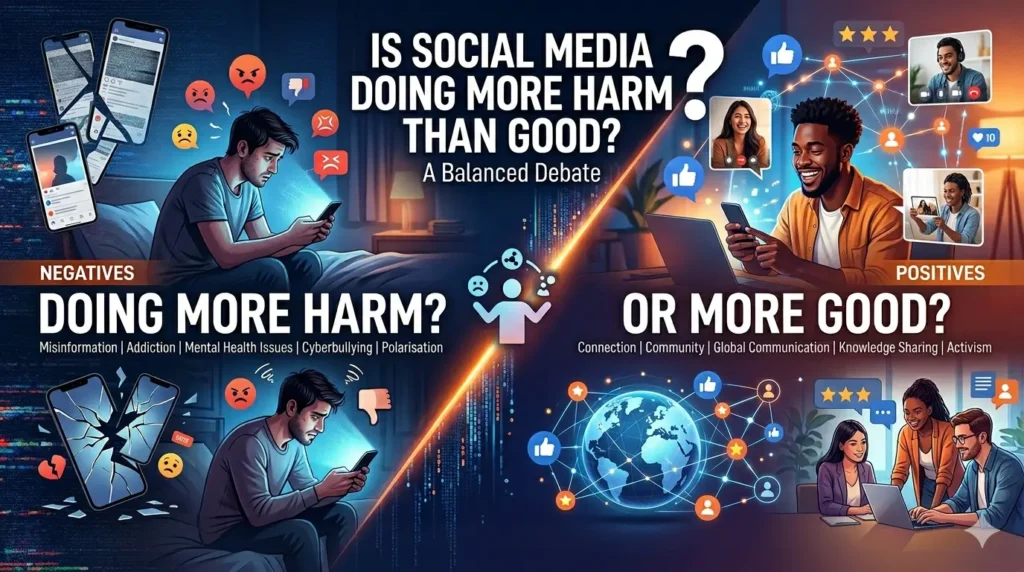
There are strong arguments on both sides of this question.
Those who support a ban believe junk food does real harm. It is loaded with sugar, salt, and unhealthy fats. Over time, it can lead to obesity, tooth decay, and weak immunity among children. Growing bodies need proper nutrition, not empty calories. When schools allow junk food freely, they fail to protect this important stage of a child’s growth.
Junk food also affects how well students perform in class. Sugary snacks give a quick burst of energy. However, this is usually followed by a sharp crash. Students often feel sluggish and find it hard to concentrate after eating such food. A simple, balanced meal, on the other hand, keeps energy levels steady through the day. This makes a real difference during long school hours.
There is also a deeper concern about habits. Children naturally absorb the patterns they see around them. If junk food is always available, eating it becomes normal rather than occasional. These habits often carry into adulthood, increasing the risk of lifestyle diseases later in life. Many believe that schools have a responsibility to shape healthier habits from an early age.
On the other side, some people feel a complete ban is not the right answer. They argue that banning junk food inside school will not stop students from buying it elsewhere. A shop just outside the school gate can easily replace the canteen. In that sense, a ban may only shift the problem rather than solve it.
Others believe food choices are deeply personal and should remain with families. Occasional treats are a normal part of life, and children should not feel completely restricted. According to this view, awareness and education matter more than strict rules. Teaching children why healthy food matters can build understanding that lasts far longer than a simple ban ever could.
Considering both sides, a middle path seems most reasonable. Instead of removing junk food entirely, schools can reduce its availability and promote better alternatives. Canteens could offer more fruits, nuts, and wholesome snacks alongside occasional treats. Nutrition could also become part of everyday learning, helping students understand the value of what they eat. A few fixed “treat days” could satisfy cravings without making unhealthy food a daily habit.
In conclusion, junk food undoubtedly affects the health and focus of students. While a complete ban may not be practical, schools cannot ignore the issue either. A thoughtful balance of healthier choices, gentle restrictions, and genuine awareness offers the best way forward. After all, habits formed in childhood often stay with us for life, and school is the perfect place to plant the right ones.